
Tailored Landscaping Solutions for Every Outdoor Project
Creating an inviting outdoor space can transform your home and enhance your lifestyle. Whether you have a sprawling backyard, a cozy patio, or a small balcony, tailored landscaping solutions can help you maximize your outdoor area. This blog post will explore various landscaping options, practical tips, and innovative ideas to suit every project, ensuring your outdoor space reflects your personal style and meets your needs.

Understanding Your Outdoor Space
Before diving into landscaping solutions, it’s essential to assess your outdoor space. Consider the following factors:
Size and Shape
Large Spaces: If you have a vast area, you can create distinct zones for different activities, such as a garden, seating area, and play space.
Small Spaces: For limited areas, focus on vertical gardening or multi-functional furniture to maximize usability.
Sunlight and Shade
Observe how sunlight moves across your space throughout the day. This will help you choose the right plants and materials.
Full Sun: Ideal for vibrant flowers and vegetables.
Partial Shade: Look for plants that thrive in dappled light.
Full Shade: Consider shade-tolerant plants like ferns and hostas.
Climate
Your local climate significantly influences plant selection. Research native plants that are well-suited to your environment, as they typically require less maintenance and water.
Designing Your Landscape
Once you understand your space, it’s time to design your landscape. Here are some tailored solutions to consider:
Plant Selection
Choosing the right plants is crucial for a successful landscape. Here are some ideas:
Perennials: These plants return year after year, providing consistent beauty with minimal effort. Examples include daylilies and coneflowers.
Annuals: For seasonal color, consider planting annuals like petunias or marigolds.
Native Plants: Incorporating local flora can enhance biodiversity and reduce water usage.
Hardscaping Elements
Hardscaping refers to the non-plant elements of your landscape. These can add structure and functionality:
Patios and Decks: Create outdoor living spaces for relaxation and entertainment.
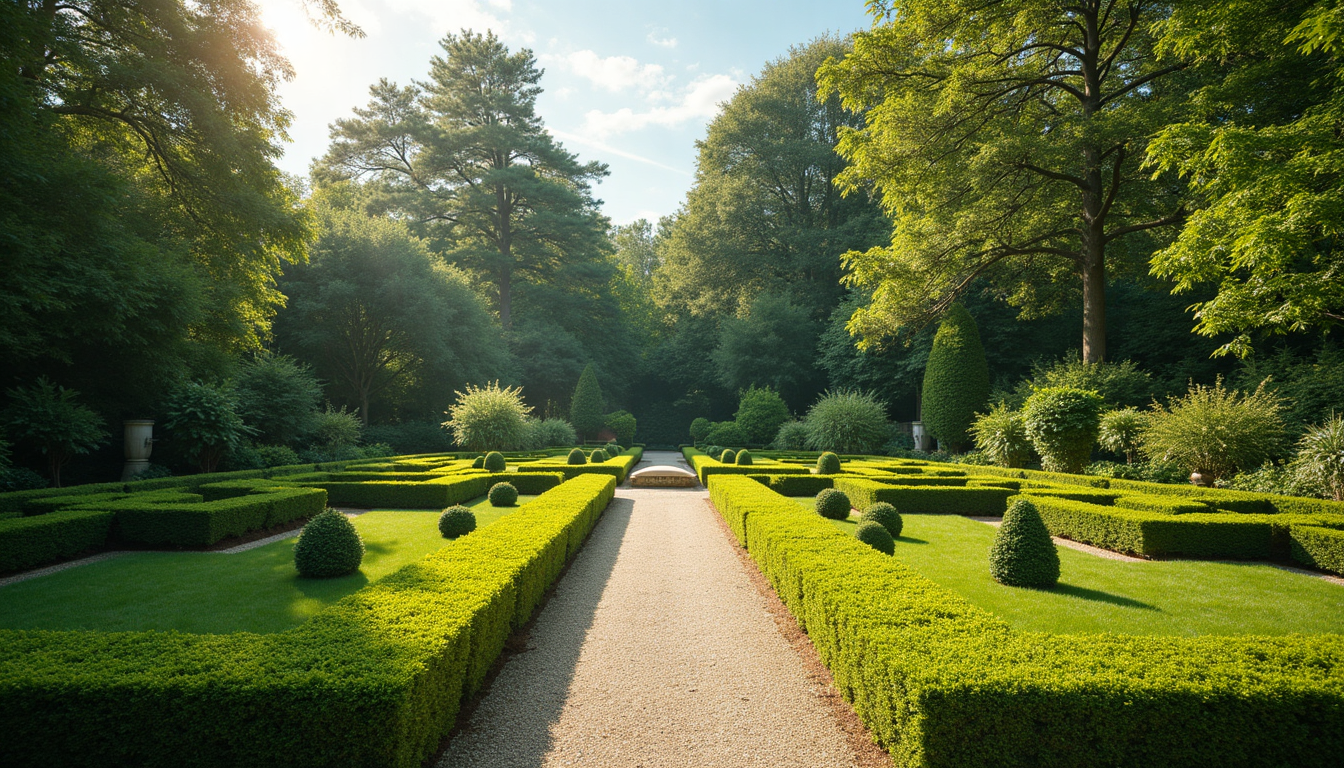
Walkways: Use stone, gravel, or pavers to guide visitors through your garden.
Fences and Walls: These can provide privacy and define your space.
Water Features
Adding a water feature can enhance the tranquility of your outdoor area. Consider:
Ponds: A small pond can attract wildlife and create a serene atmosphere.
Fountains: These can serve as focal points and provide soothing sounds.
Birdbaths: Attract birds to your garden while adding visual interest.
Practical Tips for Implementation
Implementing your landscaping design requires careful planning and execution. Here are some practical tips:
Create a Budget
Determine how much you’re willing to spend on your landscaping project. This will help you prioritize elements and avoid overspending.
Plan for Maintenance
Consider the long-term upkeep of your landscape. Choose low-maintenance plants and materials to reduce the time and effort required for care.
Hire Professionals When Needed
If your project is extensive or complex, consider hiring landscaping professionals. They can provide expertise and ensure your vision becomes a reality.
Seasonal Considerations
Landscaping is not a one-time task; it requires seasonal attention. Here’s how to adapt your landscape throughout the year:
Spring
Planting: This is the ideal time to plant new flowers and shrubs.
Mulching: Apply mulch to retain moisture and suppress weeds.
Summer
Watering: Ensure your plants receive adequate water during hot months.
Pruning: Trim back overgrown plants to encourage healthy growth.
Fall
Clean-Up: Remove dead plants and debris to prepare for winter.
Planting Bulbs: Fall is the perfect time to plant spring-blooming bulbs like tulips and daffodils.
Winter
Protection: Cover sensitive plants to protect them from frost.
Planning: Use this time to plan next year’s landscaping projects.
Innovative Landscaping Ideas
To make your outdoor space truly unique, consider these innovative landscaping ideas:
Vertical Gardens
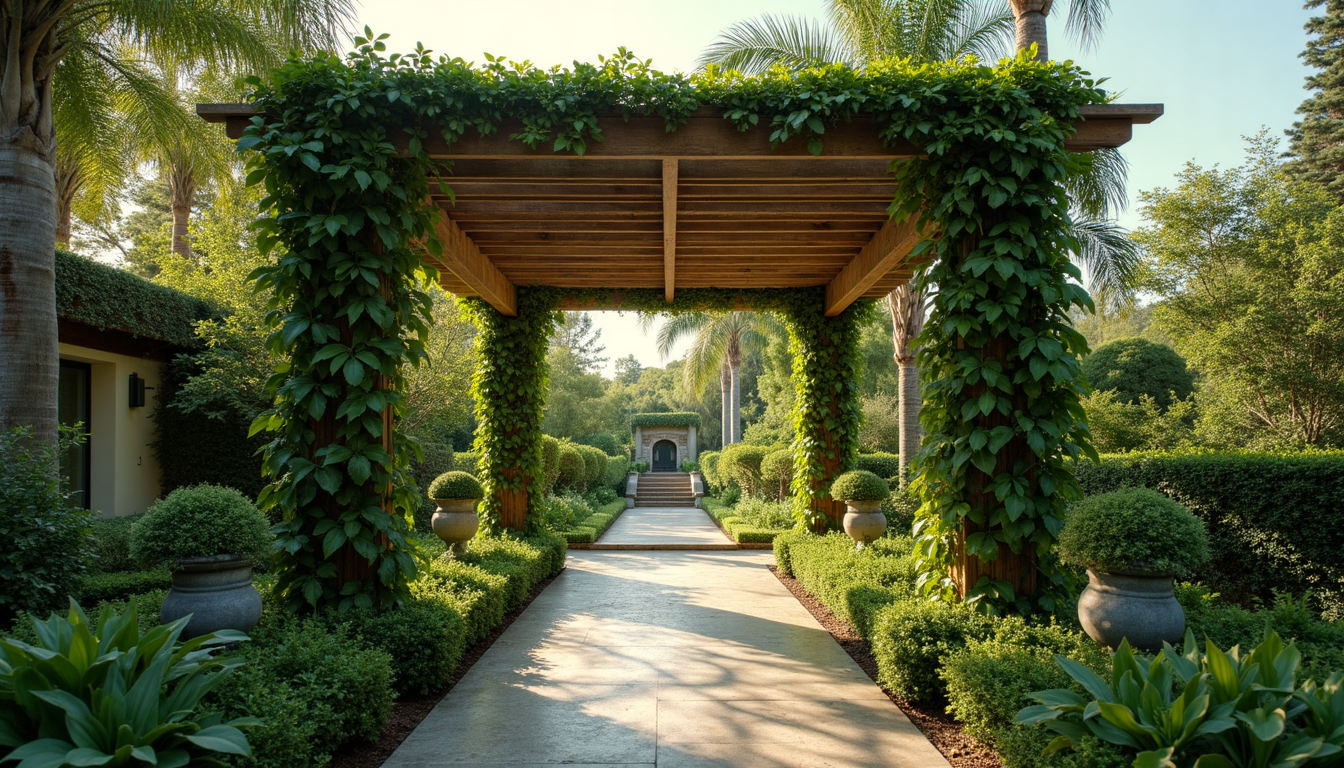
If space is limited, vertical gardens can add greenery without taking up much ground area. Use wall-mounted planters or trellises to grow climbing plants.
Edible Landscapes
Incorporate edible plants into your landscape design. Herbs, vegetables, and fruit trees can provide beauty and sustenance.
Sustainable Practices
Implementing sustainable landscaping practices can benefit the environment and reduce costs. Consider:
Rain Gardens: These can help manage stormwater runoff while providing habitat for wildlife.
Xeriscaping: This landscaping method uses drought-resistant plants to conserve water.
Conclusion
Tailored landscaping solutions can transform any outdoor project into a beautiful and functional space. By understanding your environment, designing thoughtfully, and implementing practical strategies, you can create an outdoor area that reflects your style and meets your needs. Remember to consider seasonal changes and innovative ideas to keep your landscape fresh and inviting. Start planning your outdoor oasis today, and enjoy the benefits of a well-designed landscape for years to come.
Comments